UK's GOV.UK One Login retains iProov in biometric deal worth up to £45M
The Government Digital Service has handed iProov a three-year contract, with a fourth-year option, to verify the faces behind 23 million One Login accounts.
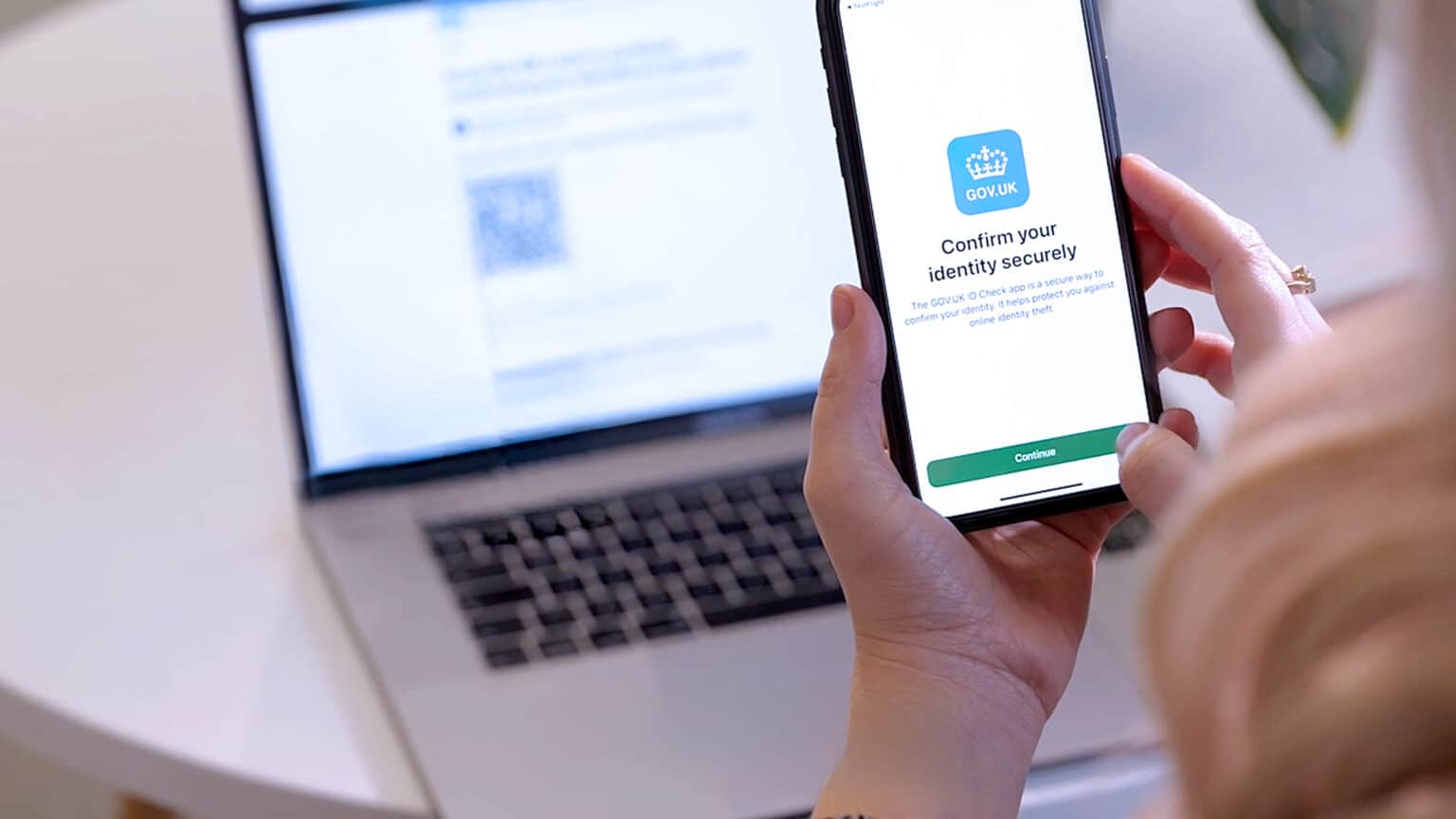
The UK's Government Digital Service (GDS) has awarded iProov a three-year contract, extendable by a fourth year, to supply biometric identity verification for GOV.UK One Login. According to the company, the deal is worth up to £45 million, roughly US$59 million.
Under the arrangement, iProov supplies face biometrics and liveness detection. Its long-standing subcontractor Signicat handles ID document reading through its NFC chip-scanning and orchestration tools. The system confirms that a selfie comes from a live person and that the face matches the photo on the submitted document. That blocks both spoofs held up to a camera (presentation attacks) and synthetic images fed straight into the software (injection attacks).
The scale of the contract reflects the scale of the platform. One Login now serves 23 million people across 256 government services, and iProov's founder and CEO Andrew Bud notes that it is ultimately meant to cover most of the UK's adult population. iProov says its liveness checks run more than 1.5 million times a day across its customer base.
The award extends a relationship that dates to 2022. GDS then signed two two-year contracts with iProov: one for document checking worth up to £11.6 million, and one for biometrics services worth up to £5.9 million. Together those carried a ceiling of £17.5 million. The new ceiling is far higher, though it covers a longer term and the contract structure has changed.
The renewal follows a compliance stumble. One Login briefly dropped off the UK's digital identity trust register after iProov's certification under the Digital Identity and Attributes Trust Framework (DIATF) lapsed. The service regained certification in January 2026. Keeping the same vendor suggests GDS judged that episode a paperwork issue rather than a technical failing.
Bud framed the win as a British success story and pointed to the security stakes. He described defending identity links against deepfakes and sophisticated attacks by criminals and hostile state actors as one of cybersecurity's toughest jobs. For a state-run login system, that is a procurement risk as much as a technical one, because a successful fraud against a government account can open access to benefits, tax and personal records.
GDS has also been widening the platform's security options. It added passkeys in September after a trial that moved 300,000 users to phishing-resistant, passwordless sign-in. In October it awarded a separate contract to add identity verification through open banking. The picture is a layered system: biometric checks at enrolment, stronger credentials at login, and a bank-based alternative for people who prefer not to submit a selfie.
iProov and Signicat technology also underpins the Smart-ID system, which was approved for the top assurance level (LoA High) under the EU's eIDAS framework earlier this month. That level is the highest set for fully remote biometric onboarding. Source: Biometric Update.