DMK backs Delimitation Bill it burned in April, citing Tamil Nadu's gains
Seven months after M K Stalin set fire to a copy of the legislation, the DMK is supporting it, a reversal that hands rivals a ready-made attack line.
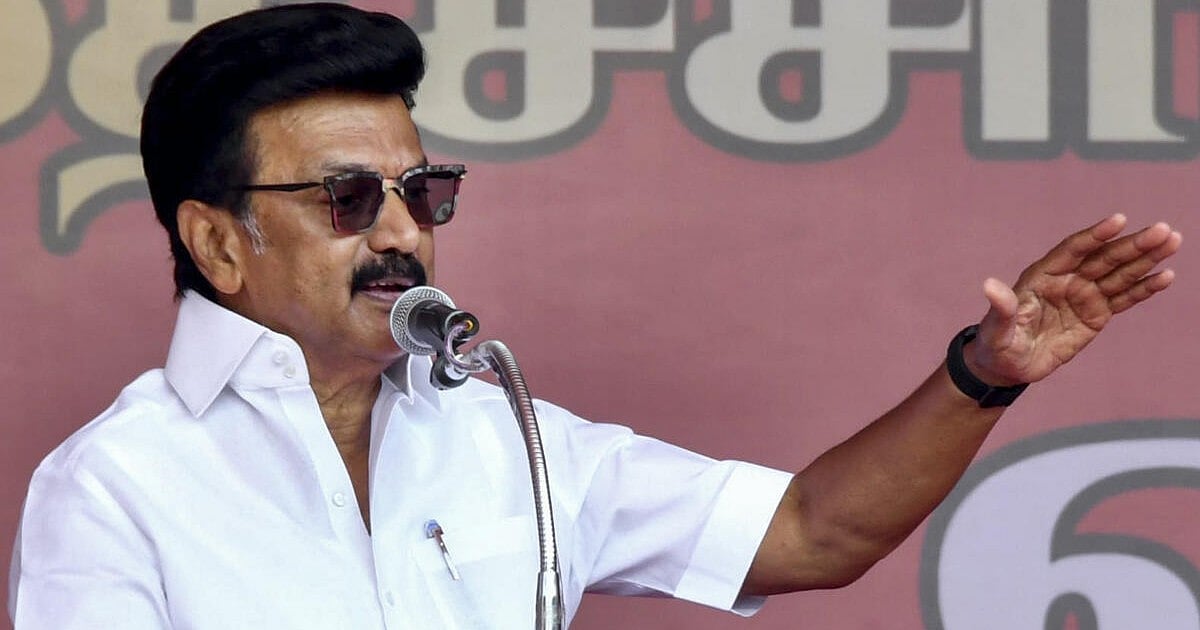
The DMK has decided to support the Delimitation Bill, the same legislation it fiercely opposed in April, when party president M K Stalin burned a copy and Lok Sabha leader K Kanimozhi called the arithmetic of an 816-member House "terrifyingly clear". The party rejects the charge of a U-turn and says it is pressing for a fair delimitation exercise.
The shift cuts against the DMK's long-standing politics. For decades the party has campaigned for state autonomy and set up panels to study Centre-state relations. It has argued that southern states should keep their present share of Parliament and should not lose influence for having brought down population growth. Now the party is defending its stand almost entirely in terms of what Tamil Nadu gains.
The numbers explain the pivot. The new Bill would lift Tamil Nadu's Lok Sabha strength from 39 to about 58 or 59. The DMK's argument skips over the fact that Uttar Pradesh would rise from 80 seats to 120, so the gap between north and south is not closed by Tamil Nadu's gain. The party's fallback line is that delimitation would otherwise proceed on the 2011 Census if the Bill failed. That is a thin defence from a party that spent years demanding a long freeze to protect regional balance.
The immediate political risk lies at home. Chief Minister C Joseph Vijay of the ruling TVK has accused the DMK and the BJP of being "secret allies". The DMK's vote gives him fresh material, and he can press the charge with the Congress, his ally, alongside him. The DMK will have to explain how backing a Bill that the BJP is expected to benefit from fits with its anti-BJP positioning.
The DMK also appears to discount the risk of gerrymandering, the redrawing of constituency boundaries to favour a party or community. It believes the effect would be limited in Tamil Nadu and would fall mainly on North India, where the BJP is seen as the biggest gainer. Critics may ask whether that assessment is complacent.
Analysts also read the move as a signal to the Congress. Ramu Manivannan, former head of the Department of Politics and Public Administration at the University of Madras, told DH that DMK support would carry the Bill through and put the party directly at odds with the Congress. He said the DMK wants to show it keeps equal distance from both national parties and that the case of protecting Tamil Nadu's interests will help it. He added that it is in an "optional position" now. Whether voters accept that explanation will shape the party's standing well beyond this Bill.
Source reporting: Deccan Herald on the DMK's delimitation U-turn.