Fake Trump Truth Social post urging 90-day stockpiles and cash withdrawals is false
A screenshot attributed to the president's official account told Americans to hoard food and pull cash from banks, but no such post exists, and the episode shows how easily financial fear travels online.
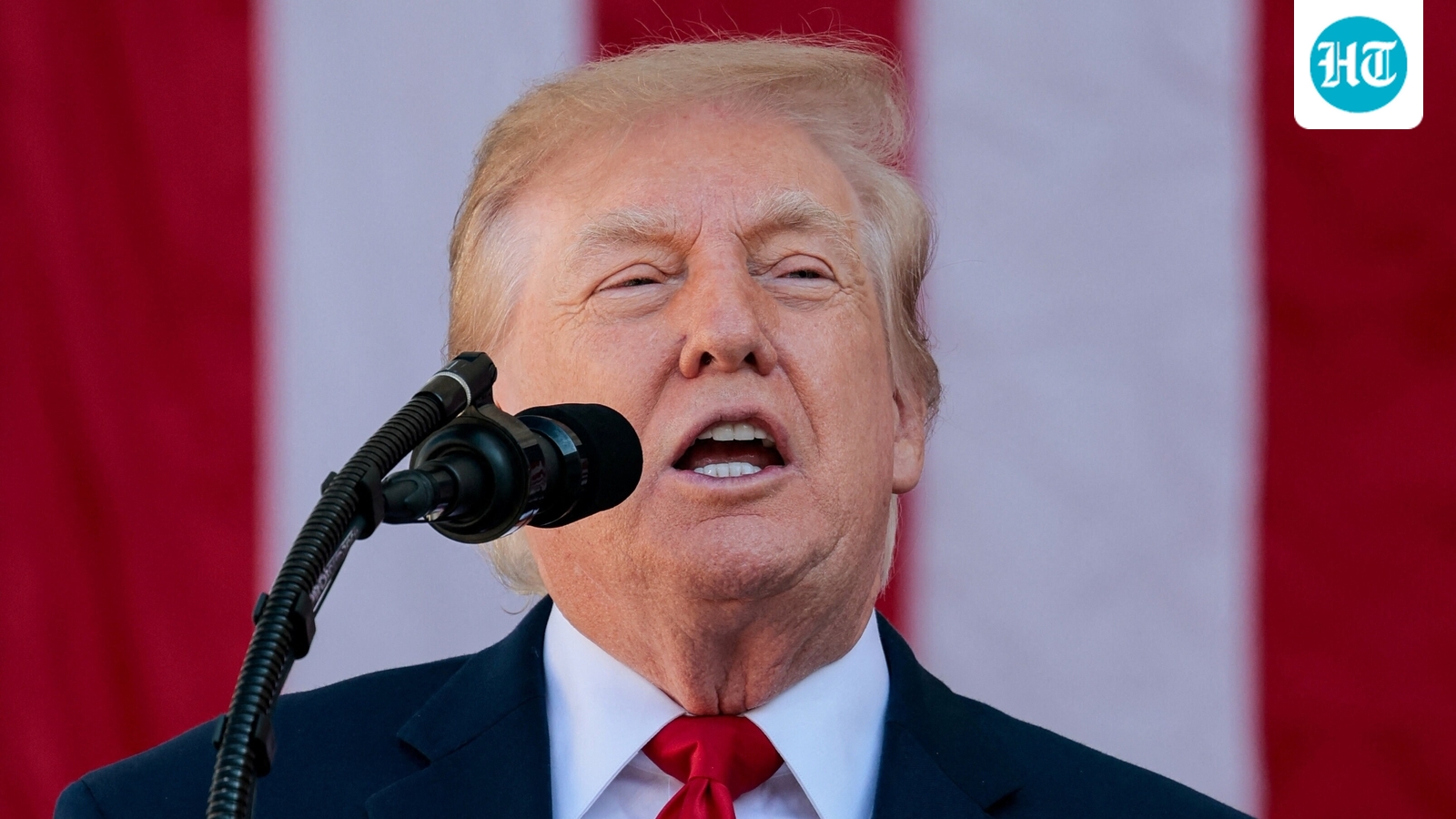
A viral screenshot attributed to President Donald Trump's official Truth Social account has been circulating on X, Threads and Facebook, drawing millions of views. It claims the president warned of serious disruptions to food supplies, the banking system and critical services, and urged Americans to stock up on 90 days of supplies and withdraw their cash. The post is fabricated. Trump did not publish it, and the account shows no record of it.
The image is built to look like a routine government alert. It opens with an urgent header, cites unnamed intelligence and global developments, and uses the cadence of a presidential address. It then tells readers to prepare for possible internet and cell outages, language that carries the most weight because it implies that the information will soon be harder to get. Many users accepted the screenshot at face value, while others flagged it and asked for verification. The split reflects a familiar pattern: when a message combines official branding with a financial threat, skepticism often arrives after the sharing has already happened.
Checking the claim did not require specialist tools. A post of this scale, announcing a national emergency and a run on bank deposits, would have drawn coverage from major news organisations almost immediately. A Google search found no reporting of any such post, whether published or later deleted. The absence of corroboration, combined with the lack of any trace on the official account, is what separates the screenshot from a real policy signal.
The reaction online was largely hostile to the hoax. Commenters pointed out that the post was not on Trump's Truth Social feed, questioned why anyone would present a 90-day supply recommendation as realistic advice, and objected that people who cannot easily afford groceries were being given a fear-driven instruction. Others said the fabrication itself was the problem, and that they had to research whether it was real. Those reactions highlight a cost that goes beyond any single false post: readers now have to verify official messages before they can act on them.
The risk here is specific. Financial rumours can become self-fulfilling when enough people act on them. A widely shared instruction to withdraw cash could, in principle, prompt individual households to pull deposits, even without any real stress in the banking system. That is why fake official-looking content deserves attention beyond the usual fact-check label. It exploits trust in institutions and turns that trust against ordinary depositors.
Readers who encounter a similar screenshot should check the originating account directly, look for reporting from established outlets, and be wary of urgent calls to empty bank accounts or stockpile supplies. A genuine government warning about a financial or infrastructure risk would appear on official channels and be picked up by mainstream media. In this case, the viral screenshot is not authentic, and no credible evidence supports its central claim.