Hyderabad raids expose aluminium passed off as edible silver foil on sweets
Four units in Charminar and Falaknuma were shut and their owners arrested, putting food-grade standards and the festive-season mithai trade under scrutiny.
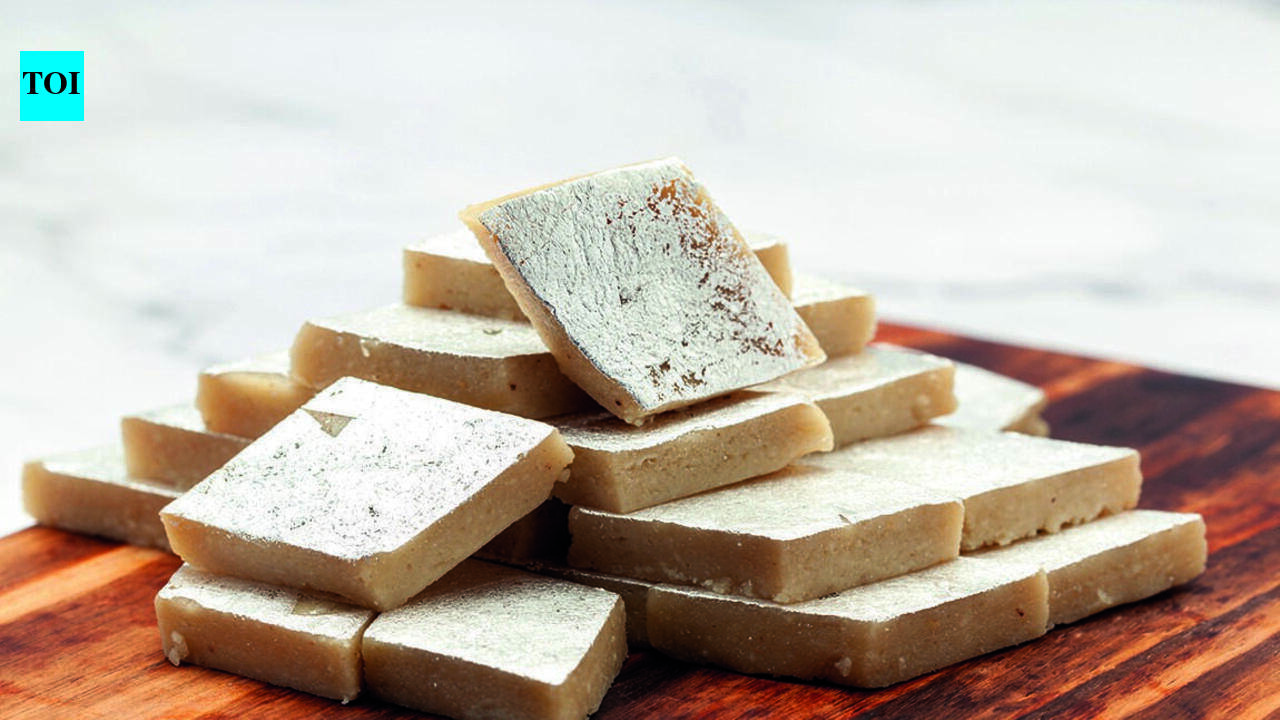
Food safety teams in Hyderabad have busted four units in Charminar and Falaknuma that allegedly made counterfeit edible silver foil from aluminium, and the owners have been arrested. Officials seized 49 bundles of fake silver leaves and 10 kg of aluminium flakes that were allegedly meant for sweet shops, bakeries and paan outlets across Telangana.
Inspectors also found 1 kg of aluminium-coated sugar balls, which were allegedly headed to bakeries as cake toppings. An official said the units supplied fake coatings and flakes across the state. The allegations come from the inspections and have not been tested in court.
The rules on the foil are clear. Under FSSAI standards, edible silver must be at least 99.9% pure. The foil has no nutritional value and serves only as decoration. Shopkeepers must make sure the foil they use is food-grade and comes from authorised manufacturers. The case suggests that cheaper aluminium foil and metal-coated sheets are allegedly replacing genuine silver to cut costs.
Doctors say the risk lies in what counterfeit metal may contain. Dr Naresh Gundapuneni, an internal medicine specialist at Renova Hospitals, said fake foil made from industrial aluminium or scrap could carry lead, cadmium and nickel. He warned that prolonged exposure could damage the brain, nervous system, kidneys and liver, and that excess aluminium may affect bone health. He added that nickel can trigger allergic reactions, and that coarse metallic flakes can irritate the stomach and cause nausea, cramps and constipation.
The danger is hard to trace because it builds up slowly. Experts also flagged that repeated exposure might disturb gut microbes, and said such effects may emerge gradually, which makes it difficult to link them to a source. Studies have tied aluminium accumulation in kidney failure patients to dialysis-related bone disease and brain damage.
Even genuine silver has no health benefit. Dr Venkat Kumar Nani, an internal medicine consultant, said edible silver foil is generally safe when it is authentic, hygienically made and meets the 99.9% purity standard, but he advised avoiding unnecessary coatings. The European Union has not authorised silver (E174) as a food additive since 2016, citing insufficient safety data, though Indian norms permit it.
For consumers, experts suggest choosing sweets without metallic decoration and preferring natural garnishes such as saffron and pistachios. They also advise heating or storing food, especially acidic items, in glass containers. Source: Times of India.