Immune-boosting claims online misread how immunity works, researchers warn
A public health study of Google and Instagram content finds that 'immune boosting' advice often gets the science wrong while steering people toward paid products.
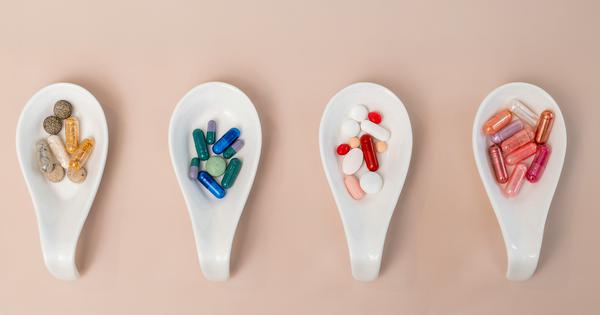
Online wellness content promising to 'boost' the immune system is more likely to mislead people than protect them, according to public health researchers who tracked the trend in Google search results and on Instagram. The team found that such material often gets basic immunology wrong and frequently promotes products or services that have no proven benefit.
The 'immune-boosting' label now covers everything from smoothies and soups to pumpkin loaves, and it has spread into material from reputable academic institutions. The researchers say the Covid-19 pandemic sharpened public interest in immunity, which made the phrase a convenient hook for sellers. Their concern is twofold: the science is frequently distorted, and the commercial pitch built around it can erode trust in proven measures such as vaccines.
The researchers do not dismiss all such advice. Guidance from medical bodies on diet, exercise, sleep and avoiding tobacco and heavy alcohol use is sound. The problem lies in the framing. The immune system does not work like a dial that can be turned up. It has innate defences, such as skin and mucous membranes, and an adaptive arm in which B-cells produce antibodies and T-cells destroy infected cells. Adaptive immunity also builds memory of past pathogens, letting the body respond faster on reinfection. A well-functioning system must also tell the body's own cells apart from invaders.
That balance is the crux of the argument. An underactive immune system raises the risk and severity of infection, but an overactive one can drive autoimmune conditions such as rheumatoid arthritis and multiple sclerosis. The goal, in the researchers' view, is to maintain immunity in a calibrated state, not to push it beyond what it needs.
The commercial dynamics are central to the critique. Describing health as something that is always lacking creates a sense of deficit, and that deficit can be sold back to consumers. The researchers describe a pattern in which anxiety is established first and purchasable fixes are offered second. In their Instagram sample from the pandemic period, more than 96 percent of immune-boosting posts came from creators who sold or advertised products or services. A sample of 28 posts tagged 62 different companies.
For readers, the practical takeaway is to treat 'immune boosting' claims with suspicion, particularly when they promise to enhance a system that is already working. Advice that centres on everyday habits, and that comes from medical or research institutions, is far more reliable. As trust in evidence-based public health tools remains fragile, the researchers argue that misleading immunity marketing carries real costs for individual and community health.