Patna Pink Walk: Doctors Urge Women to Act on Early Breast Cancer Signs
A Breast Cancer Awareness Month march from Gandhi Maidan put the focus on symptom recognition and on the hesitation that keeps many women from seeing a doctor.
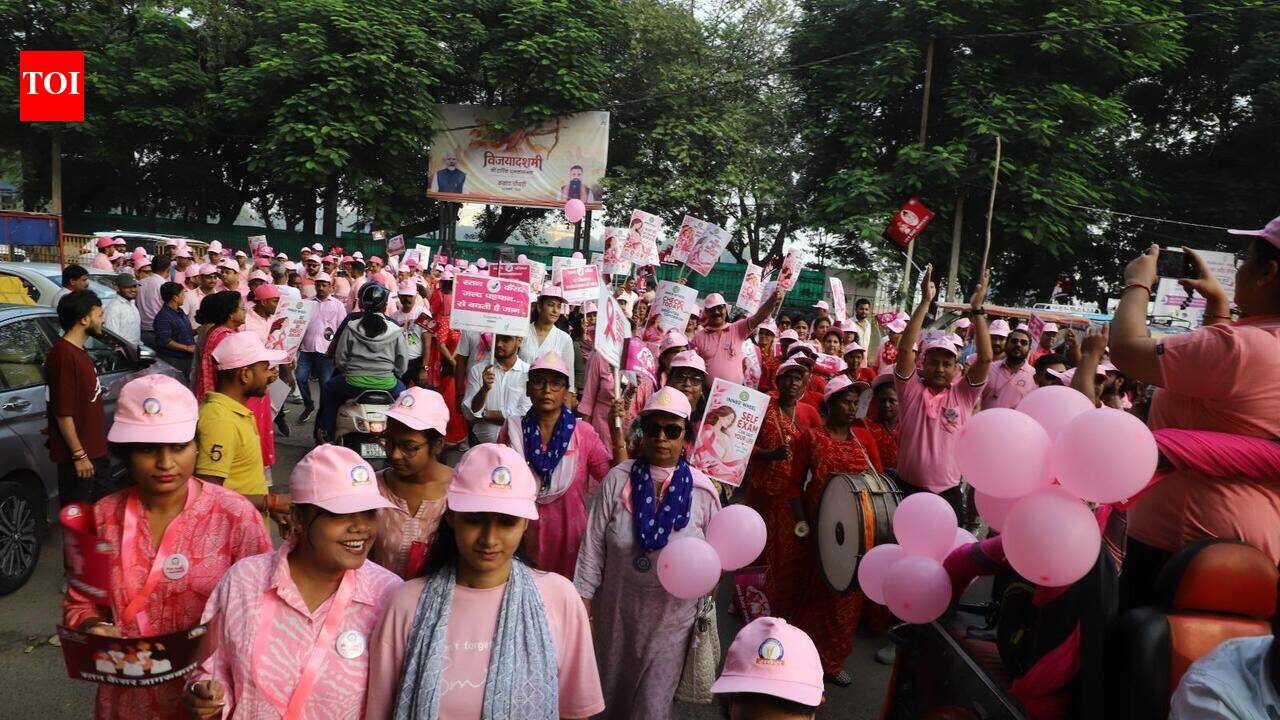
Doctors, social organisations and women from across Patna joined the 'Pink Walk - Courage in Pink Continues' on Friday, a Breast Cancer Awareness Month event that pressed one message: do not ignore early warning signs, and do not delay a medical consultation.
The campaign began with a balloon release at the roundabout near Gandhi Maidan. Padma Shri awardee Sudha Varghese attended as chief guest, and an all-woman drum band drew much of the attention along the route.
Doctors listed the symptoms women should not dismiss: a lump in the breast, a change in breast shape or skin, and abnormal nipple discharge. They said timely screening and diagnosis improve treatment outcomes. That makes early recognition the central issue, since the signs are often visible well before a disease reaches an advanced stage.
Dr Pritanjali Singh of AIIMS Patna put the risk in numbers. Globally, she said, one in eight women faces the risk of developing breast cancer in her lifetime, while the estimated risk in India is one in 20. She urged women to examine their breasts regularly and see a doctor at once if they find a lump or any unusual change. She also advised a diet rich in green vegetables and less junk food.
Senior cancer surgeon Dr V P Singh described the annual drive as an effort to help women identify early symptoms and overcome reluctance to seek advice. His point addresses a behavioural barrier as much as a medical one: awareness events like this aim to move women from noticing a change to acting on it.
Other doctors who took part included Dr Sahajanand, Dr Nibha Mohan and Dr Rahul Choudhary. The walk was jointly organised by the Indian Medical Association (IMA), Bihar, the Patna Obstetrics and Gynaecological Society and Savera Cancer Hospital, among other organisations. The involvement of both specialist bodies and a cancer hospital shows the outreach drawing on clinical expertise, not only public mobilisation.