Project SKaAT documents 331 Karnataka prehistoric sites, finds 81 new ones
An 11-month field survey across 436 locations produced a state-backed coffee-table book and a sobering count of 105 sites already lost, damaged or destroyed.
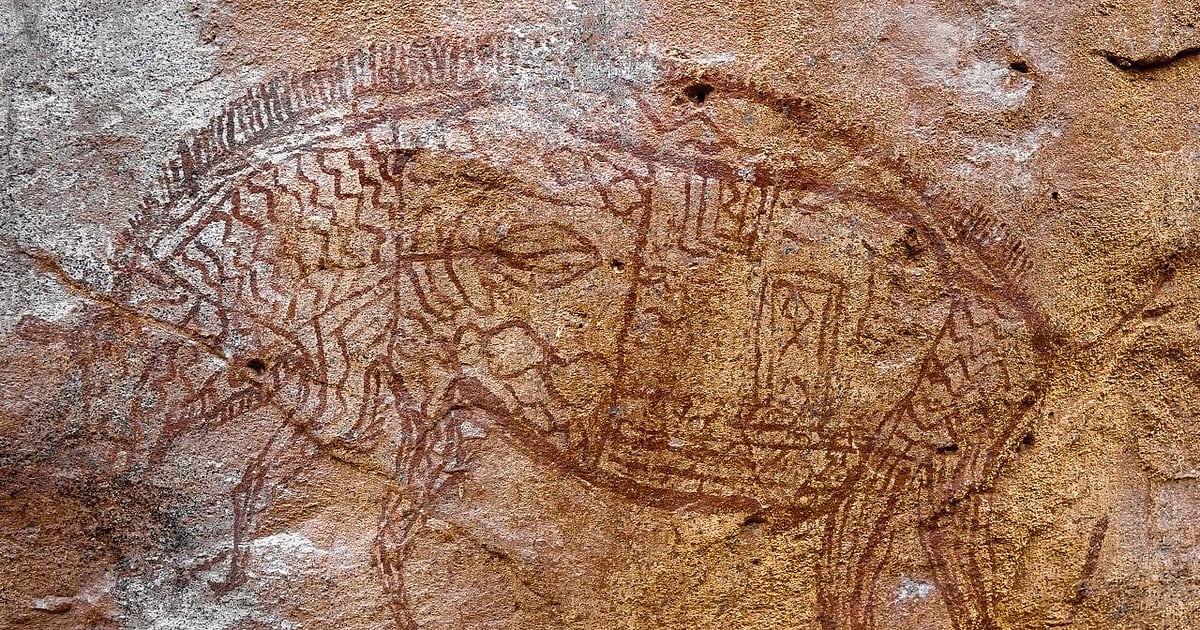
A photographer-led team working with Karnataka's Department of Archeology, Museums and Heritage has documented 331 prehistoric sites and identified 81 previously undocumented locations and features, according to figures from Project Showcasing Karnataka's Ancient Treasures (SKaAT). The findings appear in a 224-page book published by the department in 2026, Ancient Karnataka Uncovered: The Visual Chronicles of Karnataka's Prehistory.
The survey ran from January to November 2025 and covered 436 sites. The team travelled nearly 31,000 km, climbed 86 hills and walked about 1,300 km. Of the sites visited, 105 were found lost, damaged or destroyed, a loss rate of roughly one in four. The new finds include rock paintings, cupmarks, stone tools and megalithic structures.
Project founder Dinesh Hegde Maneer, who has earlier produced coffee-table books for several district tourism departments, assembled photographers, researchers and history consultants. Archaeologists and scholars including K B Shivatarak, Srikumar M Menon, A Sundara and Ravi Korisettar reviewed the work. The book covers 278 sites across the four revenue divisions: Bengaluru (95), Mysuru (65), Kalaburagi (63) and Belagavi (55).
Locating sites proved the first obstacle. Few had usable coordinates, and records lay scattered across old books, journals and papers. The team built on Shivatarak's Karnatakada Puraatatva Nelegalu, then relied on villagers, past researchers and British-era accounts. At Hiregudda in Badami, finding a Mesolithic wild boar painting took three visits, though the search turned up other unrecorded paintings.
Access was physical and social. Days often began at 4 am to catch morning light and ended after 7 pm, with route planning running to 11 pm. Maneer said some residents mistook the team for treasure hunters, while others hesitated over local beliefs about the structures.
The significance lies in the baseline. Many of Karnataka's prehistoric sites sit on remote hills with little protection, and a dated, photographed inventory gives conservators a record to measure further decay against. The 105 lost or damaged entries show how much of that record is already incomplete.