Shreya Sen-Handley on Movember: Why the Moustache Masks Men's Mental Health Silence
In a column timed to November's moustache-growing campaign, Shreya Sen-Handley uses facial hair to examine how masculinity keeps men from talking about their physical and mental health.
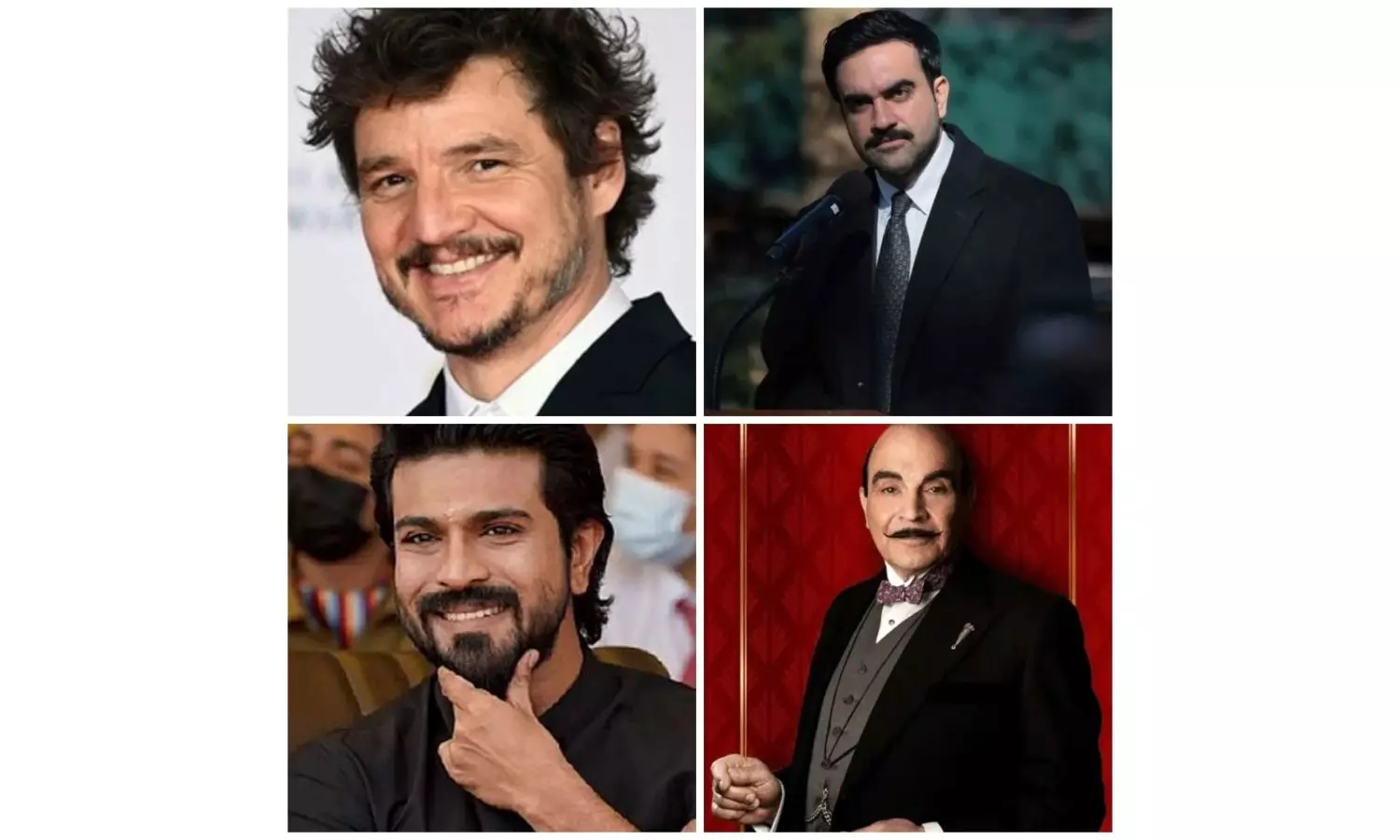
November brings Movember, the month when men grow moustaches to raise awareness and money for men's health. Shreya Sen-Handley, writing in Asian Age, uses the campaign as a lens on a harder subject: how seldom men, particularly on mental health, admit to struggling, and how often they hide it themselves.
Sen-Handley sets aside the campaign's clinical side and turns to the moustache's cultural history. She points to Hercule Poirot, whose waxed moustache serves in Agatha Christie's novels as a kind of confidence device, unsettling suspects who are dazzled by it. She then traces the decline of the heavy moustache in the late twentieth century, when Hollywood's leading men traded it for cleaner looks, and its later return alongside beards, especially after the pandemic, when many men stopped shaving as a form of protest.
The argument turns on the idea that facial hair signals more than style. Sen-Handley reads the moustache as a projection of power and an internal reassurance of masculinity, drawing parallels with the biblical Samson, whose strength was tied to his hair. She cites examples across politics, film, sport and organised crime to show how the look is used to communicate machismo, and she notes that the cricket Indian Premier League's players are overwhelmingly bearded or moustached.
The column becomes personal when Sen-Handley recalls her father, who wore a moustache for most of his life. She describes how it was shaved off without warning or consent while he was in a coma, a loss she frames as more than cosmetic. That episode leads her to argue that stripping a man of his appearance without consent carries an emasculating weight that many men feel acutely.
Her central claim is that this same attachment to masculine self-image discourages men from seeking help. The expectation that men keep physical and emotional troubles private, summed up in the familiar notion that big boys do not cry, makes them reluctant to ask for medical or psychological support. In that sense, the moustache becomes a symbol of a broader silence.
Read against Movember's stated purpose, the column makes a pointed case. Awareness campaigns that focus on appearance can draw attention, but they succeed only if they also address the reasons men stay quiet. Sen-Handley's piece suggests that the conversation about men's health has to move beyond the novelty of facial hair and into the habits and identities that keep men from speaking up.