Three bidders vie to build India's AMCA stealth fighter prototypes
L&T, Tata Advanced Systems and Bharat Forge-led teams have filed bids for the Rs 15,000-crore programme, and a defence ministry panel is now scoring them.
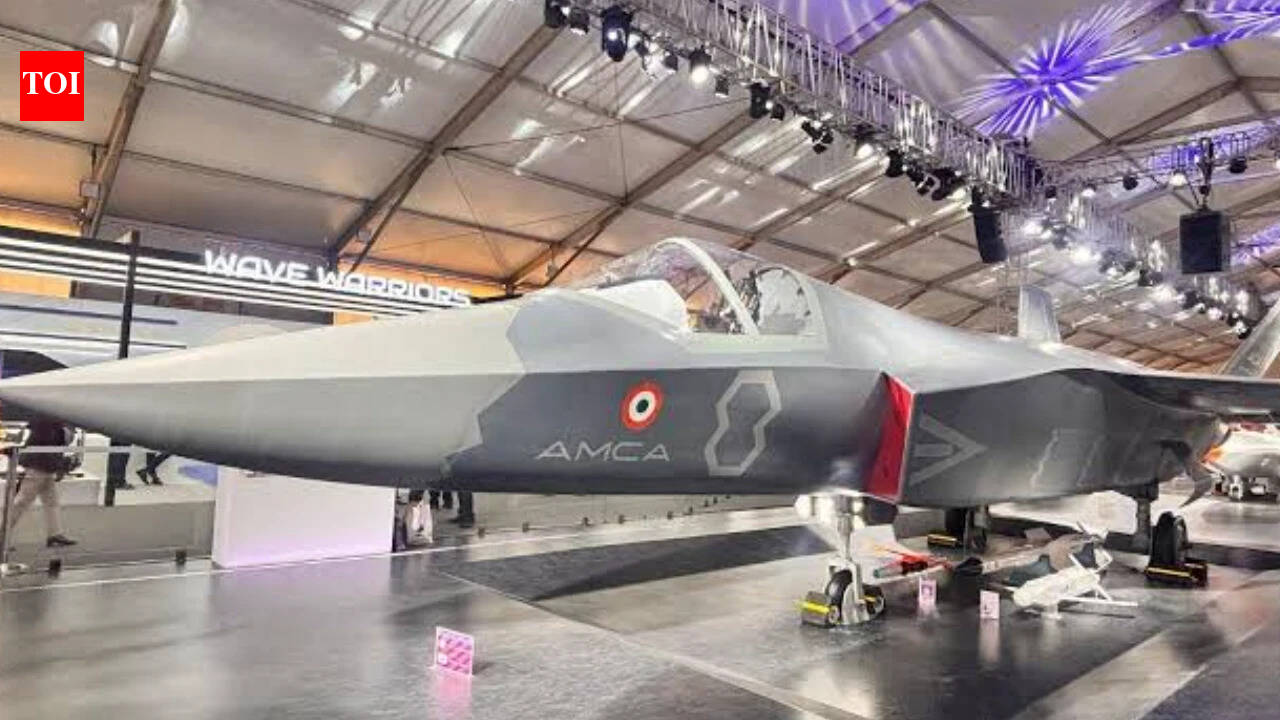
Three Indian industry contenders have submitted bids to build prototypes of the Advanced Medium Combat Aircraft (AMCA), India's first fifth-generation stealth fighter. A high-level review committee set up by the defence ministry is now evaluating them, industry sources told The Times of India. The prototype phase of the programme is valued at Rs 15,000 crore.
The bidders are a consortium led by Larsen & Toubro with BEL and Dynamatic, Tata Advanced Systems Ltd (TASL), and a Bharat Forge-led group with BEML and Data Patterns. All three filed on October 30, the final deadline, and the bids were opened on November 1. TASL bid on its own, while the other two are consortiums. The deadline had earlier been pushed back from August 27 after bidders asked for more time to complete formalities.
The winner will become the development-cum-production partner (DCPP) for five AMCA prototypes. The Aeronautical Development Agency (ADA) in Bengaluru, a DRDO laboratory, designed the aircraft and will oversee the build. The DCPP model matters because it brings a private manufacturer into the programme from the prototype stage rather than after the design is frozen. That shapes who will hold production know-how when the jet moves toward serial manufacture.
The five twin-engine prototypes are expected to fly about 1,800 test sorties over seven years. Those sorties will validate flight controls, stealth performance, sensors, radar, weapons integration and propulsion. The aircraft is likely to use the GE F414 engine, but only if the proposed deal between Hindustan Aeronautics Ltd and GE for joint production in India goes through. ADA needs 15 of the engines for the flying prototypes, so the engine talks are a dependency for the schedule.
The timeline is the harder problem. The first batch of production AMCAs is expected around 2034 or 2035. Meanwhile, the Indian Air Force is down to 29 fighter squadrons against a sanctioned strength of 42.5. The stealth jet cannot close that gap soon. The AMCA's planned features include internal weapons bays, supercruise, AI-driven avionics and next-generation sensor fusion.
The regional context adds pressure. China already operates two fifth-generation fighters, the Chengdu J-20 and Shenyang J-35, and Pakistan is reportedly planning to buy 40 J-35 aircraft. The ministry's choice of partner will set the pace of India's response, and the engine deal will decide whether the 2034-35 target holds.