Island bedstraw rebounds on California's Channel Islands after pigs and sheep removed
Eradicating invasive grazers from Santa Cruz and San Miguel islands helped a rare plant recover, and surveys later showed far more of it than anyone had counted.
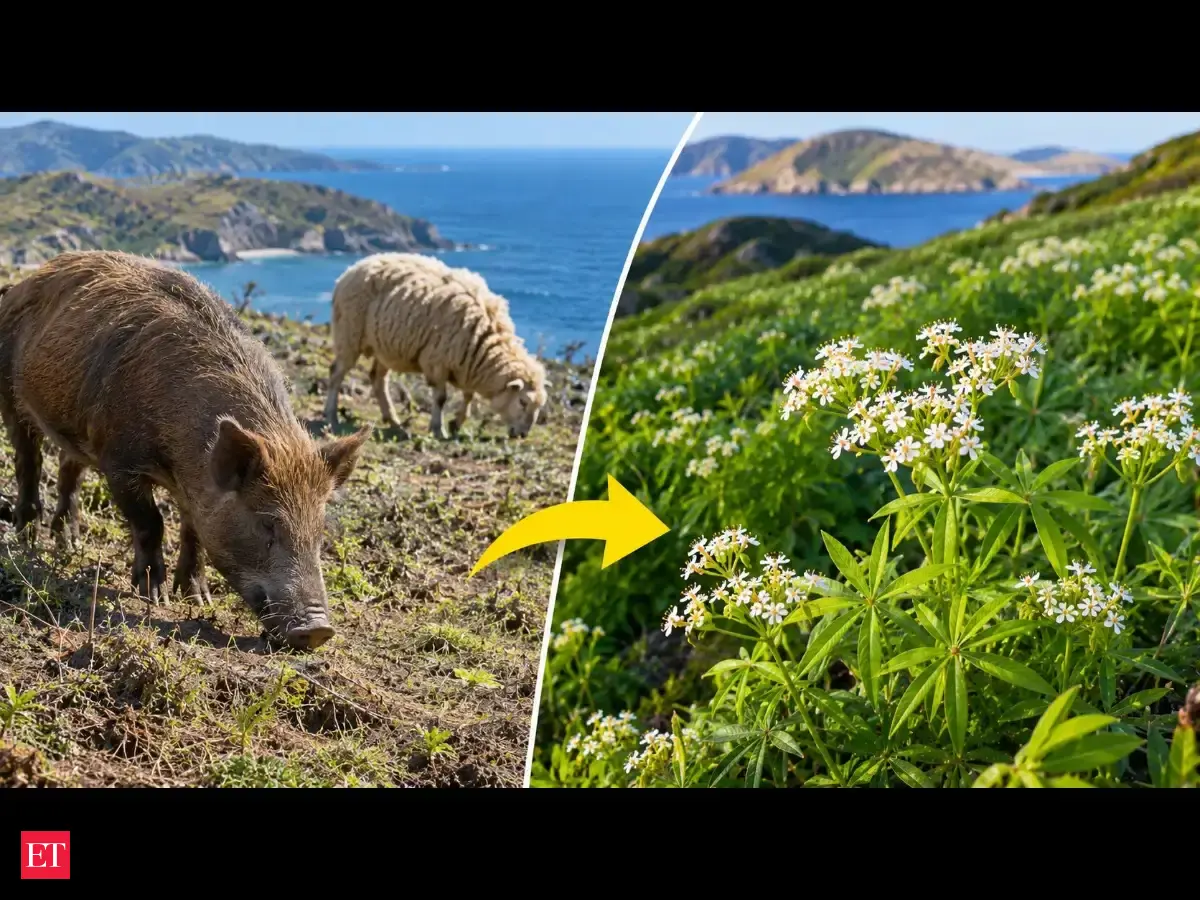
A rare shrub found nowhere else on Earth has recovered on California's Channel Islands after conservationists removed invasive sheep and feral pigs. Island bedstraw (Galium buxifolium) was delisted by the U.S. Fish and Wildlife Service in 2023, after being listed as endangered in 1997.
The plant grows only on Santa Cruz Island and San Miguel Island, typically on rocky outcrops and sloping coastal ground. When it was listed, its known population stood at roughly 515 to 603 plants. Sheep grazed and trampled the vegetation, while pigs rooted through the soil, steadily degrading the habitat native plants depended on.
The response targeted the cause rather than the plant. Sheep were removed from both islands by 2000. Feral pigs on Santa Cruz Island were eliminated by 2006. With grazing and soil disturbance gone, native vegetation could regenerate, though the source notes recovery was slow because damaged ground needed years to stabilise.
The larger surprise came from the count. Island bedstraw often clings to steep, cliff-like terrain that surveyors cannot easily reach on foot. Helicopter surveys of Santa Cruz in 2015 and San Miguel in 2017 found the species in more places than earlier records showed. The Fish and Wildlife Service now estimates at least 15,730 individual plants. Those figures remain approximate.
The case matters for climate and ecology policy because it separates two questions: how many plants exist, and how many were recorded. Part of the apparent rebound reflects better surveying, and part reflects genuine habitat recovery. Both strengthen the argument that removing a pressure on an ecosystem can matter more than direct intervention on a single species.
Island ecosystems, with their many endemic species, are especially vulnerable to introduced animals. The Channel Islands result offers a measurable example of restoration succeeding, and of how survey methods can change a species' conservation status.