Quad leaders meet in Manila as Trump weighs Xi talks over China pushback
Trump's first Quad summit since his return to office is likely to reaffirm familiar positions, not confront Beijing, just before he meets Xi Jinping in Shenzhen.
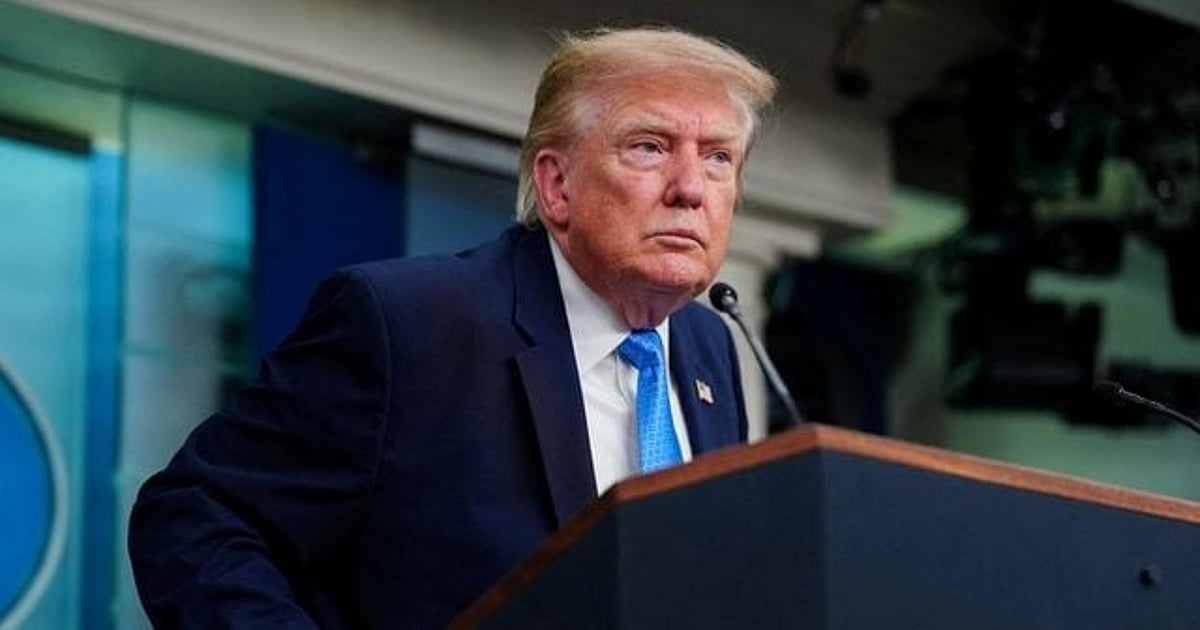
The leaders of the United States, India, Australia and Japan meet in Manila on Tuesday for the fifth in-person Quad summit. It is President Donald Trump's first Quad leaders' meeting since he returned to the White House in January 2025. Because it falls just before his scheduled talks with Chinese President Xi Jinping in Shenzhen, the gathering is expected to signal reassurance to partners, not a hard line against Beijing.
Prime Minister Narendra Modi, Australian Prime Minister Anthony Albanese and Japanese Prime Minister Sanae Takaichi will join Trump. Modi will also attend the India-ASEAN Summit and the East Asia Summit, both hosted by Philippine President Ferdinand R. Marcos Jr. From Manila, Trump travels to Shenzhen for the 33rd APEC Economic Leaders' Meeting, where he is due to hold bilateral talks with Xi and take part in a trilateral meeting with Russian President Vladimir Putin.
The agenda looks predictable. Leaders are likely to stress cooperation on critical minerals, maritime security and economic resilience. They are also expected to repeat their backing for freedom of navigation, the UN Convention on the Law of the Sea and the 2016 arbitral award that rejected the legal basis of China's expansive historic-rights claims in the South China Sea. Repeating those positions is not the same as raising the collective cost to Beijing, and the summit shows few signs of going further.
The reason lies in Washington's approach. Trump is trying to manage the US-China rivalry through direct dealings with Xi, and he ranks trade deals and economic gains above sustained strategic competition. In that setting, the Quad works more as a hedge that keeps partners from doubting US intentions than as a tool for containing China. The timing, with the Xi meeting following so closely, reinforces that reading.
For New Delhi, the summit carries added weight. India had planned to host the leaders' meeting last year, and Modi invited Trump to attend when the two met in Washington in February 2025. That plan stalled as ties frayed over Trump's tariffs, his pressure on India to cut Russian energy imports, his warm engagement with Pakistan's civilian and military leadership, and what Indian officials see as a weak US response to cross-border terrorism from Pakistan.
Foreign ministers kept the Quad running in the meantime. Secretary of State Marco Rubio joined External Affairs Minister S Jaishankar and his Australian and Japanese counterparts at several ministerial meetings, yet no leaders' summit could be scheduled. That gap points to a widening divergence between US priorities and those of its Indo-Pacific partners, and Delhi's worry is that Washington may accommodate Beijing's interests at the expense of regional balance.
Manila carries symbolic weight, since the Quad was born there in 2007 and revived there in 2017. Whether this summit marks a real revival will depend less on the communiqué than on what Trump says and concedes to Xi days later. Source: Deccan Herald.